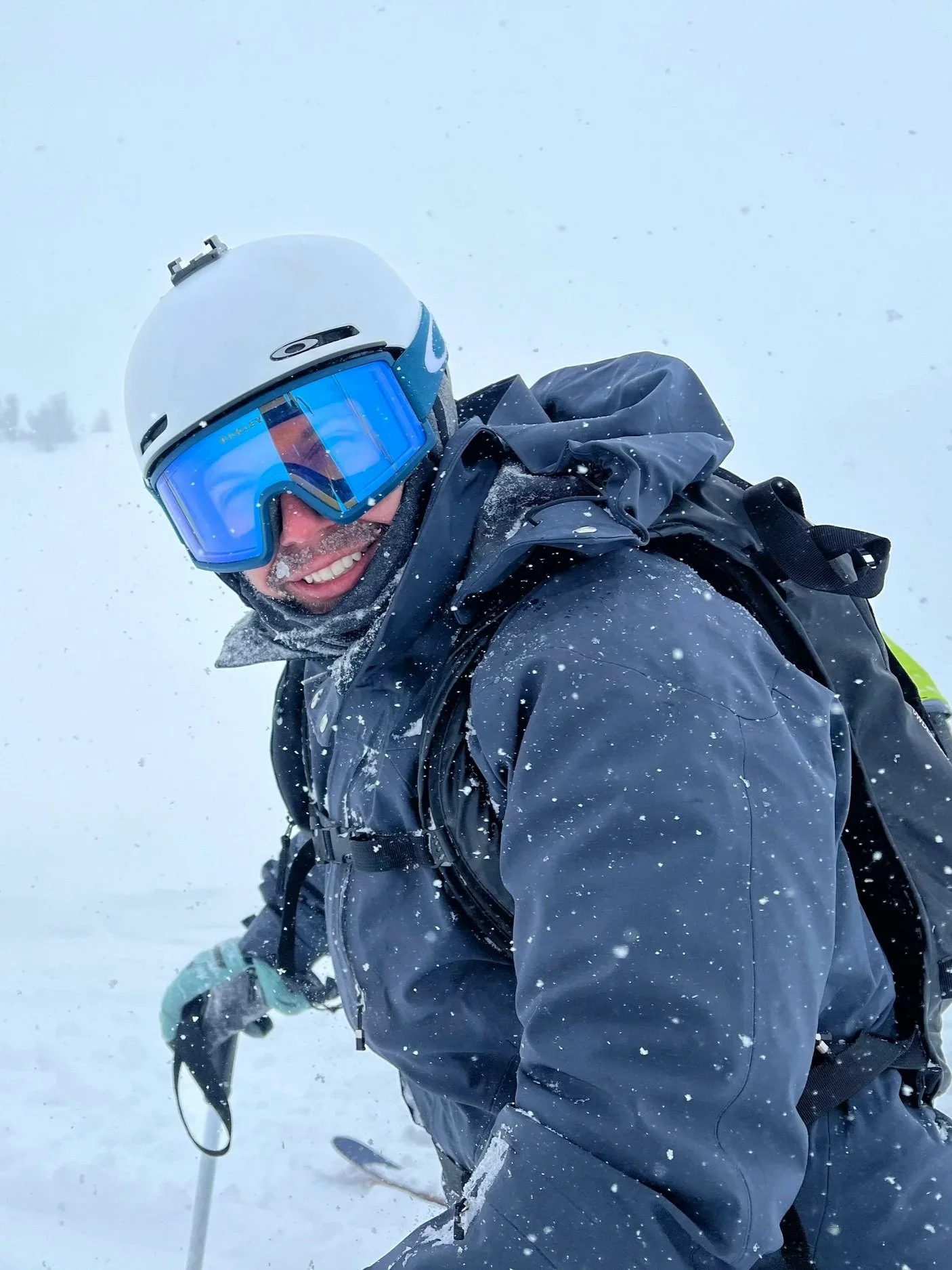
Ski injury rehab and ski performance training, built for a stronger season
Whether a fall on Mt. Hood ended your season early or you want legs that last from first chair to last run, you get one-on-one care from a board-certified orthopedic PT and strength coach who builds rehab around the mountain, not the clinic.
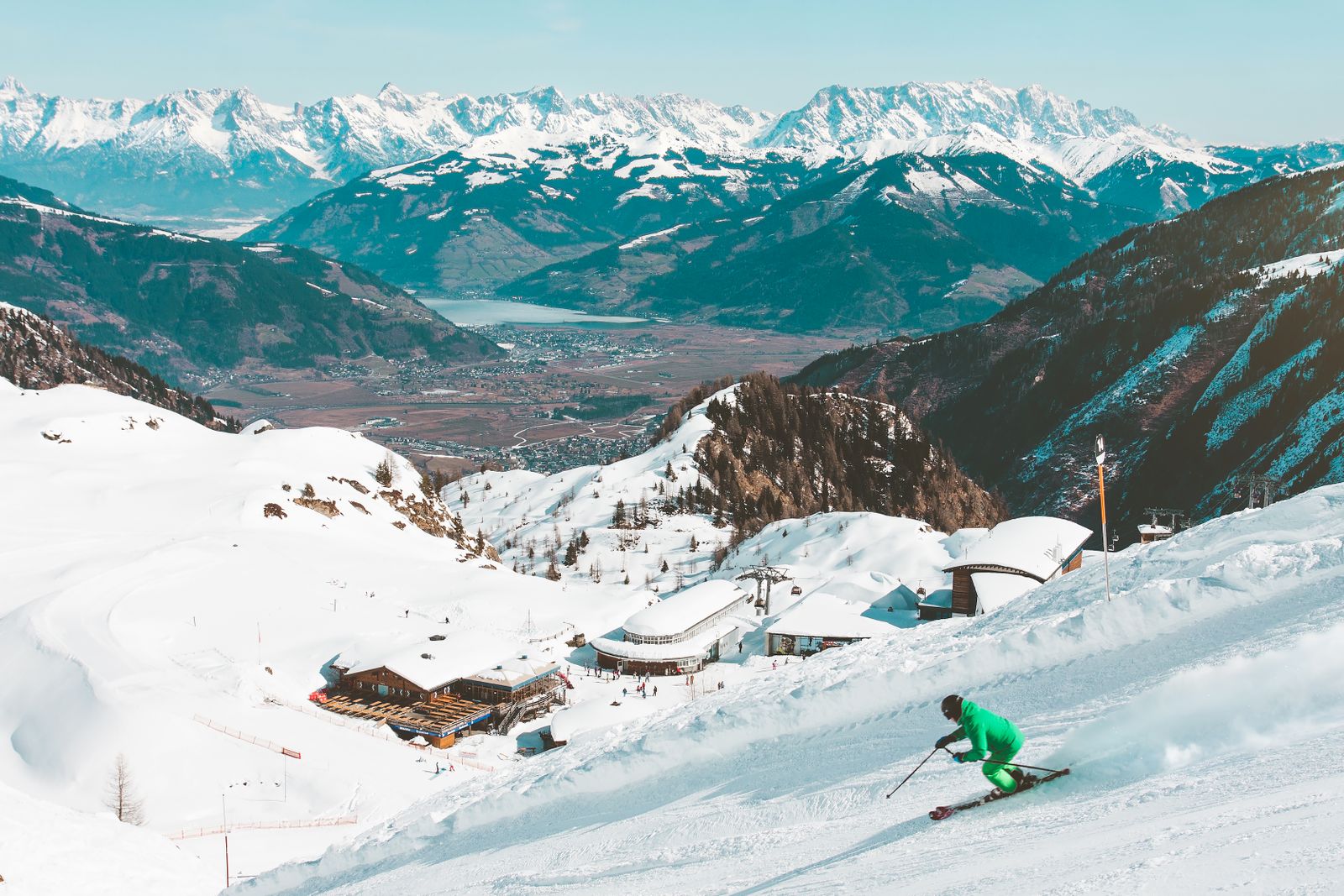
Skiing is a sport. Your rehab should treat it like one.
Most ski injuries get a generic knee or shoulder protocol and a vague "ease back into it." But skiing asks for long eccentric holds, fast single-leg reactions, and hours of repeated effort at altitude, often after months off snow.
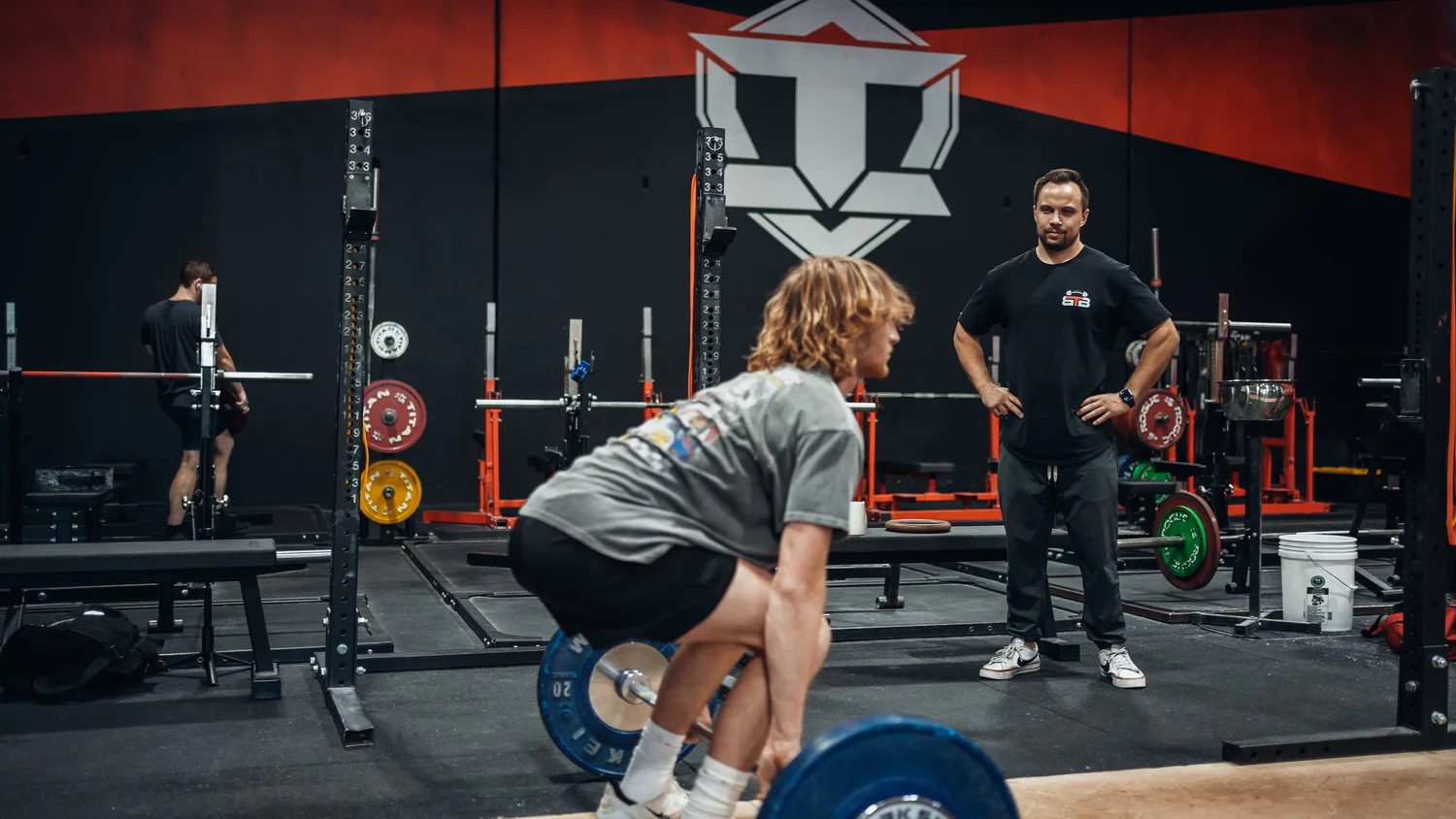
Care here is built around what you actually do on the mountain: resort laps, moguls, park, racing or backcountry touring. Progress is measured with objective strength and power testing, not just the calendar, so you go back to the hill knowing your legs are ready.
The injuries we see most after a day on the mountain
Modern bindings have made lower-leg fractures far less common, so today the knee takes most of the load in a fall. Upper-body injuries come from the pole plant, the outstretched hand and the slam. Here's what I treat most often.
MCL sprain
The most common ski knee injury, usually from a wedge or snowplow position, or catching an inside edge. Most heal without surgery, with a progressive loading plan.
ACL tear
Skiing's signature serious injury, often from a backward fall or a bad landing. Operative or non-operative, it needs a structured, test-driven return. See ACL rehab →
Meniscus injury
Twisting under load, often alongside an ACL or MCL injury. Rehab focuses on restoring range, strength and confidence in deep knee flexion.
Lower-leg & tibial plateau fractures
Less common than they used to be, but long recoveries. Post-op rehab rebuilds weight-bearing tolerance, quad strength and ankle mobility for the boot.
Skier's thumb
A sprain or tear of the thumb's UCL from falling with a pole in hand. Easy to brush off, but grip and pinch strength need to come back fully.
Shoulder injuries
Dislocations, AC joint separations, rotator cuff strains and collarbone fractures from landing on an outstretched arm or the point of the shoulder.
Wrist injuries
Sprains and fractures from catching a fall, especially common for snowboarders. Rehab restores range, grip and loading tolerance for poles or the board.
Low back pain
Long days flexed forward, moguls, chairlifts and hauling gear. Usually a load and capacity problem, not damage. See low back pain →
How skiers tear their ACL
Ski ACL injuries happen in a few well-known positions. Knowing them is part of rehab and part of prevention: awareness training for these positions has been shown to reduce serious knee sprains in experienced skiers.
The "phantom foot"
Falling backward with hips below the knees while the inside edge of the downhill ski tail catches and twists the knee.
Boot-induced landing
Landing a jump or drop back on the tails. The stiff boot shoves the shin forward while the quads fire hard to recover.
Valgus–rotation
Catching an edge and falling forward as the knee collapses inward and rotates, often injuring the MCL along with the ACL.
Back on snow when you pass the tests, not when the calendar says so
Return to skiing is guided by objective criteria:
- Full knee range of motion and no meaningful swelling with training
- Quad and hamstring strength symmetry on isometric testing
- Jump, landing and single-leg power symmetry on force plates
- Controlled single-leg deceleration and lateral change of direction
- Ski-specific conditioning and confidence, progressing from groomers to steeper and variable terrain
The tools behind your plan
Blood Flow Restriction Training
Build quad strength with light loads early after injury or surgery, when heavy lifting isn't an option yet.
Isometric Strength Testing
Track quad and hamstring strength side to side so progress and return-to-ski decisions are based on numbers.
OVR Force Plate Analysis
Measure jump height, landing forces and limb symmetry to see how ready you are for the demands of the mountain.
Ski better, not just hurt less
Burning quads by lunch. Getting bounced around in crud. Legs that quit before the snow does. That's a capacity problem, and capacity is trainable. The same strength and conditioning that protects your knees is what lets you ski harder, longer and with more control.
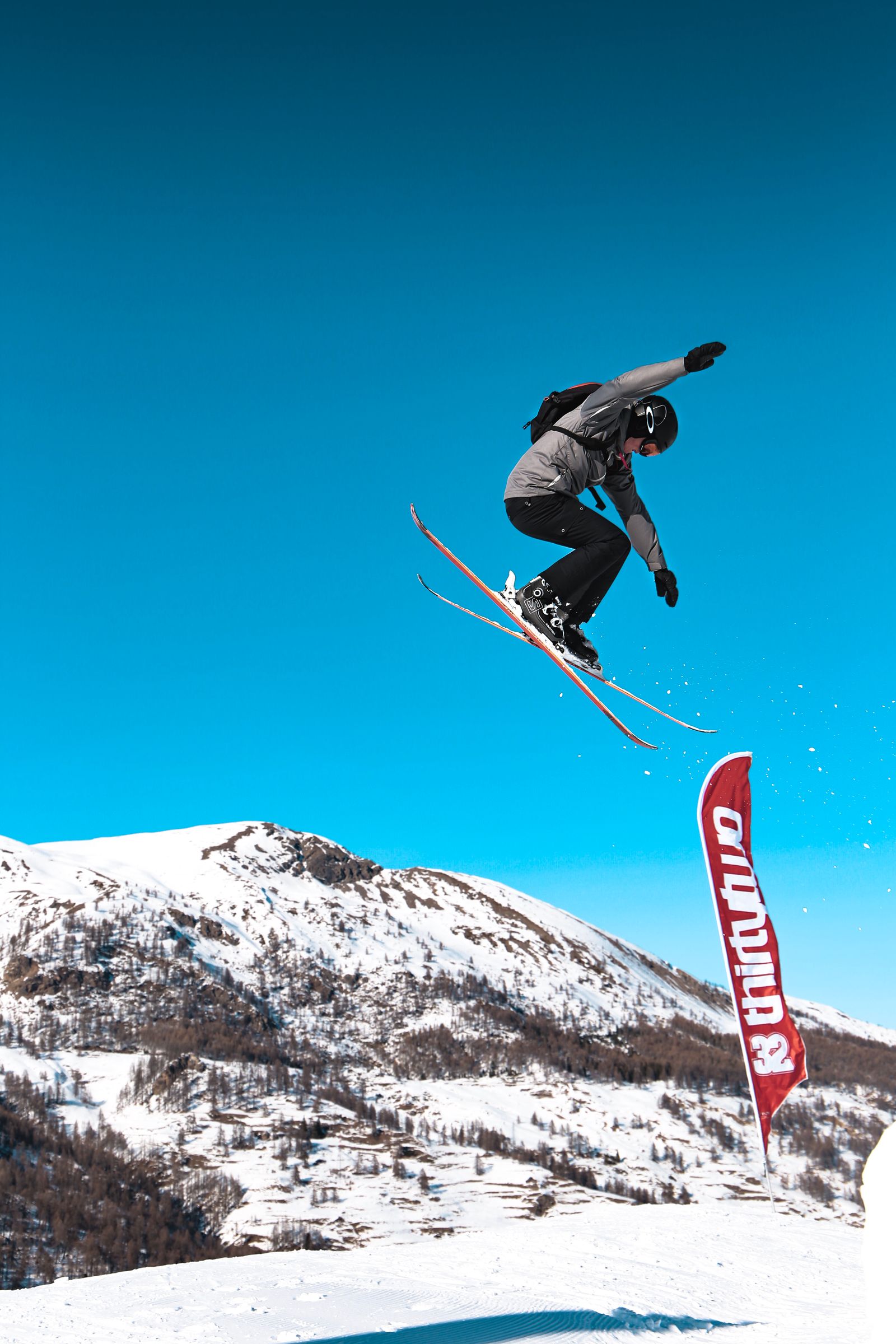
What skiing actually demands
Eccentric & isometric quad strength
Every turn is the quads absorbing force and holding a bent knee. Heavy, slow lower-body work builds legs that don't fade.
Single-leg strength & balance
Skiing is largely one leg at a time on the outside ski. Split squats, step-downs and single-leg hinges carry straight over.
Hip & trunk control
Strong hips keep the knee tracking over the ski instead of caving in, one of the positions behind ACL and MCL injuries.
Reactive power
Moguls, ruts and landings demand fast force. Progressive jumping, hopping and lateral bounding train the knee to react, not just resist.
Repeat-effort conditioning
A ski day is hard runs with short lift rides between them. Interval work keeps legs and lungs fresh late in the day, when injuries tend to happen.
Mobility that fits the boot
Ankle flexion, hip rotation and upper-back rotation let you stay balanced over the ski instead of falling into the back seat.
Your ski year, planned
The best time to start is well before opening day, but any point in the season is a good time to get stronger.
Build
Build a strength base, then layer in power, single-leg control and ski-specific conditioning so the first powder day isn't a shock.
Maintain
One or two short, focused sessions a week hold onto strength without leaving you flat for the weekend.
Rebuild
Address the nagging knee, back or shoulder you skied through, and rebuild capacity before next winter.
However you need to work with me
Questions first? Email josh@beyondbarbelltraining.com or call/text 419-205-2118. I respond personally.